San Jose, CA · Answering 24/7
Hydro jetting in San Jose for drains that keep coming back
A drain that clogs again two weeks after it was snaked still has something coating the pipe. Hydro jetting uses high-pressure water to cut roots and scour grease and scale off the pipe wall, restoring the full bore instead of punching a hole through the clog.
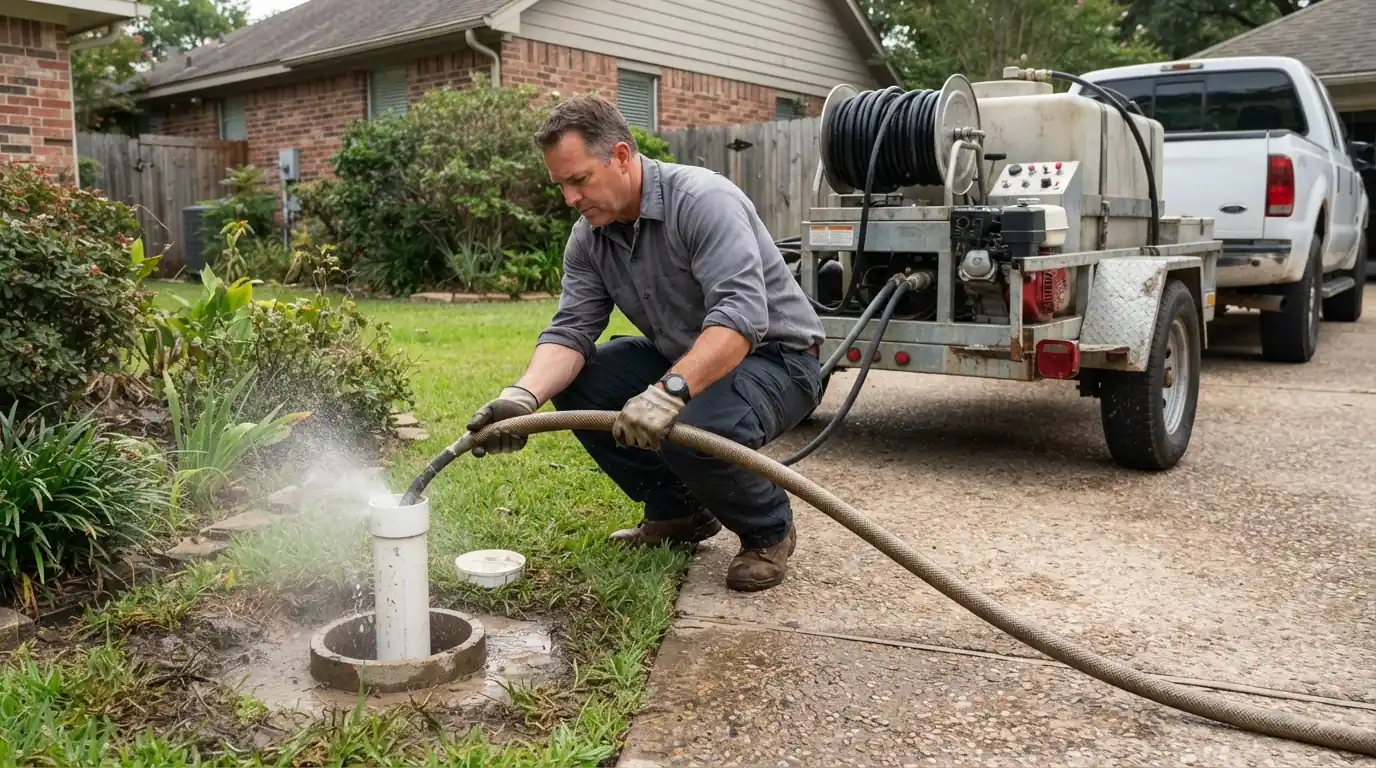
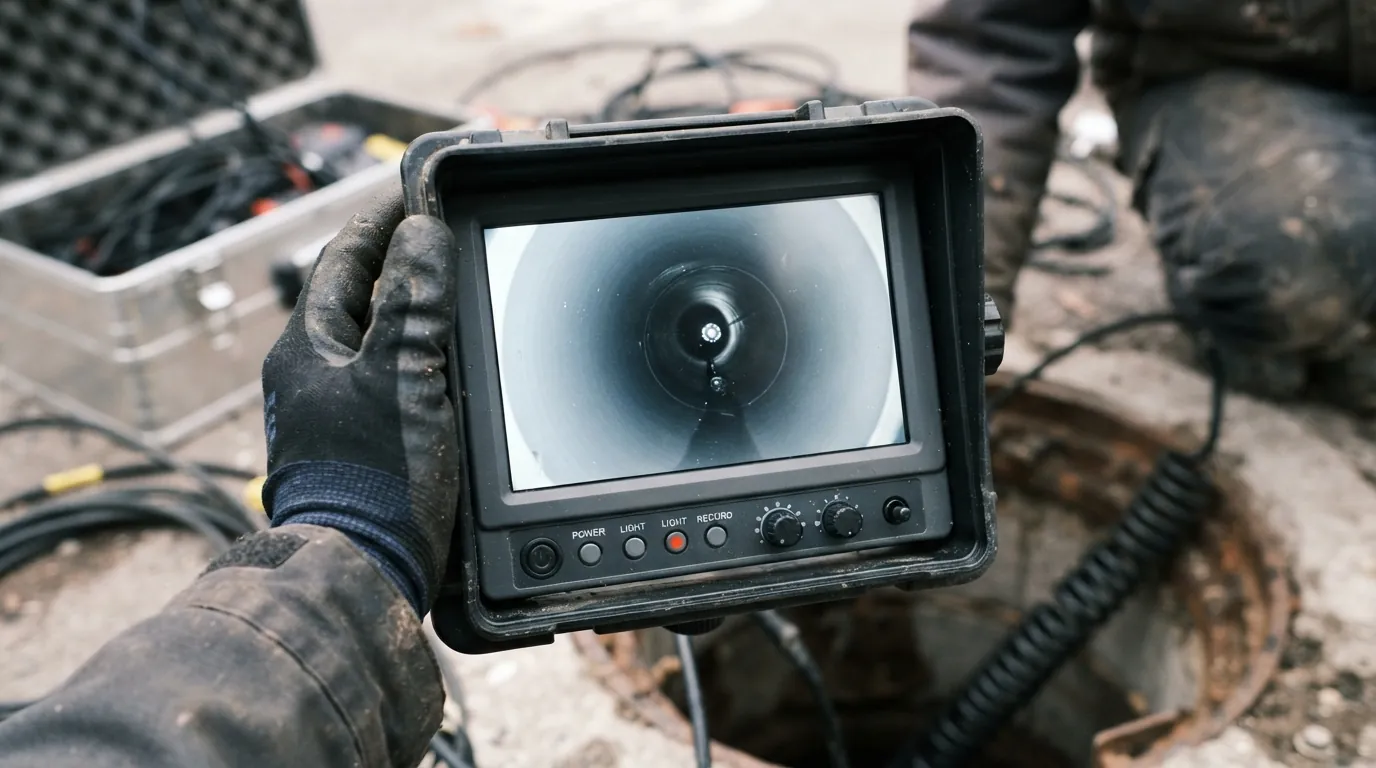
Hydro jetting in San Jose clears drain and sewer lines with water at thousands of PSI, scouring the full pipe wall instead of boring a hole through the clog. We camera the line first to confirm it can take the pressure, jet it, then camera it again so you can see the result.
The job
Why jetting clears what a cable leaves behind
A drain cable punches a path through a blockage and pulls some of it back. It works well on a single clog in a branch line. It does far less for a line coated in grease, lined with mineral scale or threaded with fine roots, because most of that stays on the wall and the pipe narrows again within weeks.
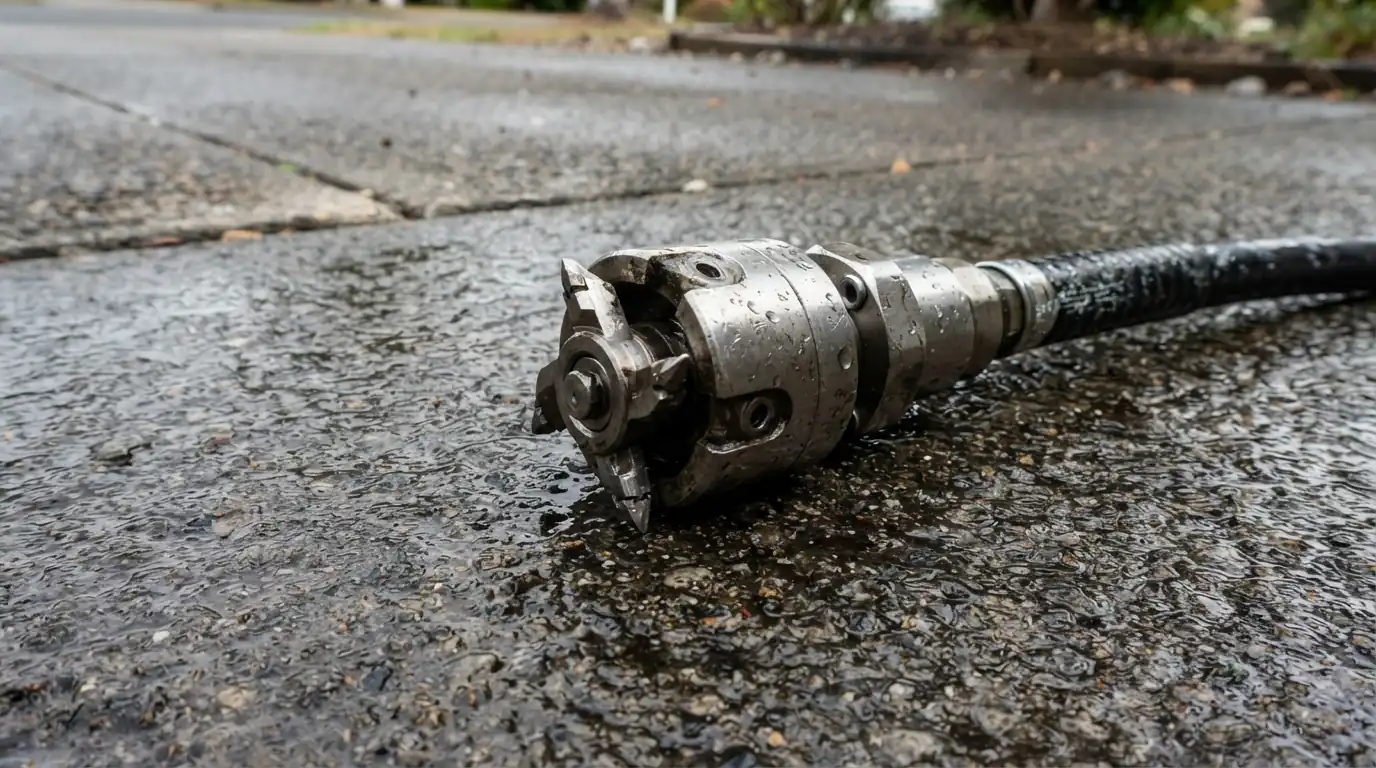
Jetting uses a hose with a rear-facing or rotating nozzle that pulls itself down the pipe while water blasts the wall clean. It is the right tool for recurring clogs, grease, scale and roots, and the standard preparation before lining. A single slow sink is usually a job for ordinary drain cleaning first.
Cost factors
What goes into a jetting price
- Line length Longer runs to the street take more hose and time.
- Access point A ground-level cleanout is faster than a roof vent or pulled toilet.
- What is in the line Roots and heavy scale take more passes than soft grease.
- Camera work Before and after inspection adds time to the visit.
- Time of day After-hours work is billed differently; you hear how first.
Every job is priced after we see it; any published range is for planning only.
Your options
Cable or jet?
Both have a place. The choice depends on what the camera finds and how often the line has clogged.
| Drain cable (snake) | Hydro jetting | |
|---|---|---|
| Best for | A single clog in a branch line | Grease, scale, roots, repeat clogs |
| What it leaves | Most of the coating on the wall | A clean wall, near full diameter |
| Fragile pipe | Gentler on badly cracked lines | Pressure reduced, or jetting skipped |
| Cost | Lower per visit | Higher per visit, fewer return calls |
| Camera | Useful | Needed before and after |
Root cutting
Roots enter at joints and cracks, then fan into a mat that catches paper and grease. A cable tears a hole through the mat; a jetter with a root-cutting nozzle shears the roots back to the pipe wall along the whole affected run. Cutting is not a cure. Roots return to the same joints, usually within a year or two, so after cutting we show you the entry points on camera and talk through a repair of those joints or lining if the same ones keep failing.
Grease and scale descaling
Kitchen lines collect grease that cools and hardens into a layer that narrows the pipe year by year. Cast iron drains add a problem of their own: rough scale that grows inward from the pipe wall. Jetting strips both. On cast iron we match nozzle and pressure to the pipe's condition, because a heavily scaled pipe can be thinner underneath than it looks. If the camera shows the scale hiding holes, we stop and recommend replacing the cast iron drain instead.
Pre-lining jet
A cured-in-place liner only bonds and seals properly to a clean pipe. Before any lining job, the line is jetted to bare wall: roots cut flush, scale removed, debris flushed out, then recorded on camera so the liner can be measured and positioned. If you have been quoted lining elsewhere, ask whether cleaning is included. A liner set over a root mat or loose scale can wrinkle, leave gaps at joints or fail early. Our trenchless sewer page covers how lining fits in.
Maintenance jetting for root-prone laterals
Some laterals are not bad enough to replace but keep growing roots at the same few joints. For those, a scheduled jetting visit before the line closes up can cost far less than emergency calls after it backs up. The interval comes from the camera: how much regrowth shows at the next visit. We keep the footage from each visit so the schedule can be stretched when regrowth is slow, and so you have a record when the time comes to decide on repair.
What happens after you call
What happens on a jetting visit
- 1
Camera first
We confirm the pipe can take the pressure.
- 2
Choose the nozzle
Root cutter, descaler or flushing head.
- 3
Jet the line
From the cleanout toward the street, then back.
- 4
Flush and clear
Debris flushed through to the main.
- 5
Camera again
You see the cleaned pipe and any damage found.
- 6
Next step
Done, schedule, or repair, in plain terms.
Local context
Street trees and sewer roots in Willow Glen
In Willow Glen, mature sycamores and oaks along Lincoln Avenue and Minnesota Avenue are among the main reasons roots end up inside aging laterals. On those streets a cable often clears the backup without cutting the root mass behind it, so the line closes up again. Jetting with a root-cutting nozzle takes the roots back to the pipe wall, and the camera pass afterward shows which joints they are getting through.
Warning signs
Signs a line needs jetting, not another snaking
- Same drain, again
A clog returns within weeks of being cabled.
- Several slow drains
Tub, sink and toilet all slow at once.
- Gurgling toilets
Air pushed through a narrowed main.
- Grease odor at the sink
Grease building up in the kitchen line.
- Roots on the cable
Root pieces on the last cable head mean more remain.
- Water at the cleanout
Standing water in the cleanout between uses.
- Lining planned
Any line due for lining must be jetted first.
FAQ
Before you call: common questions
When pressure matches the pipe, yes. The camera check rules out lines too damaged to jet.
A snake opens a path; jetting cleans the whole pipe wall.
No. It cuts them back, but roots return to the same joints unless those joints are repaired.
It makes jetting faster, but we can also work through a toilet flange or roof vent.
Only as often as the camera shows regrowth or buildup; many lines never need a schedule.
Yes. Grease-coated kitchen lines are one of the most common jetting jobs.
Yes. A liner needs a clean pipe to bond, so every lining job starts with jetting.
Related work
Other Drains & Sewer jobs we handle
Stop clearing the same San Jose drain twice
Call any hour and book a camera-first jetting visit.
Updated September 2026