San Jose, CA · Answering 24/7
Sewer camera inspection in San Jose, with every problem marked on the ground
A backup that keeps coming back, a house you are about to buy, a drain just cleared that you want proof on. A sewer camera shows the inside of the lateral, and a locator marks exactly where on the ground each problem sits.
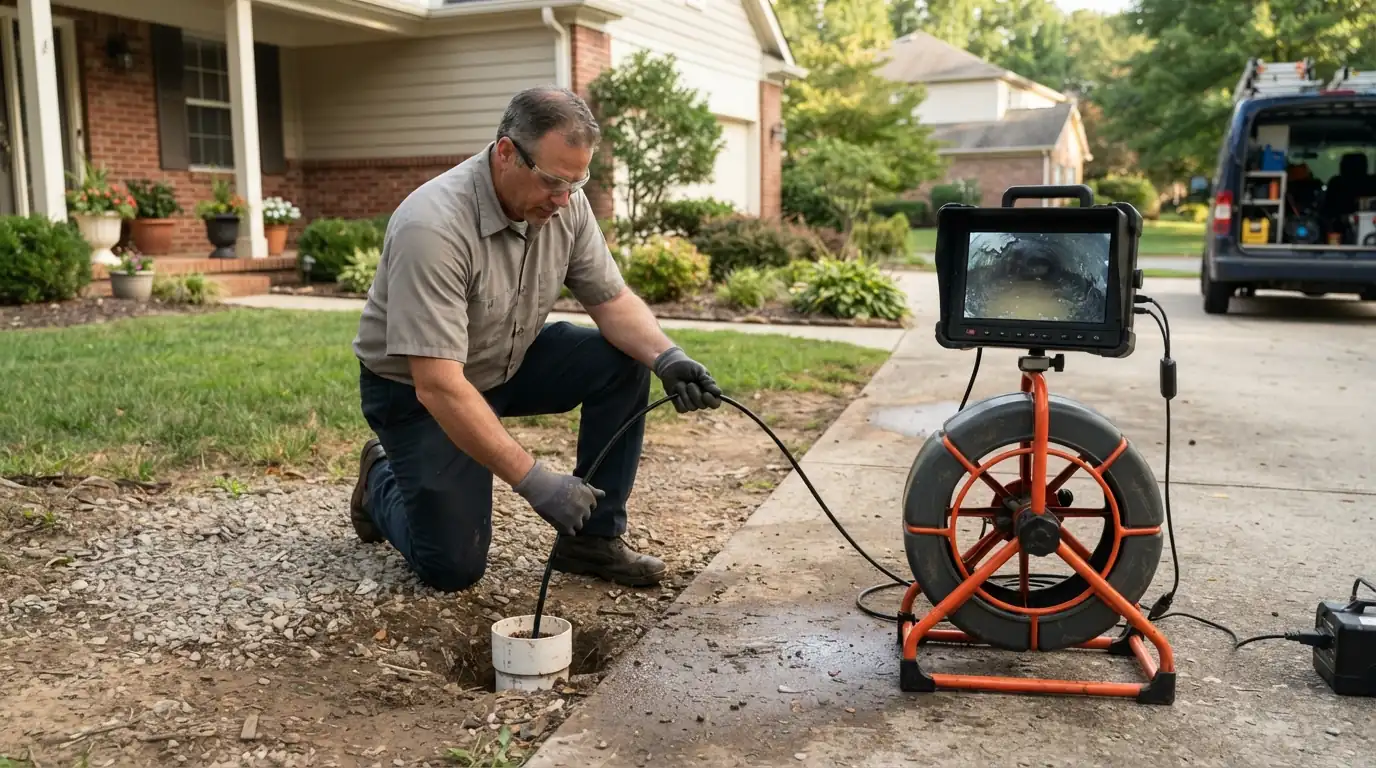
A sewer camera inspection in San Jose runs a waterproof camera through the lateral from the cleanout toward the city main, recording cracks, roots, offsets and bellies along the way. A locator then marks each problem's position and depth on the ground, so any repair is priced for the right spot.
The job
What the camera tells you that a cable cannot
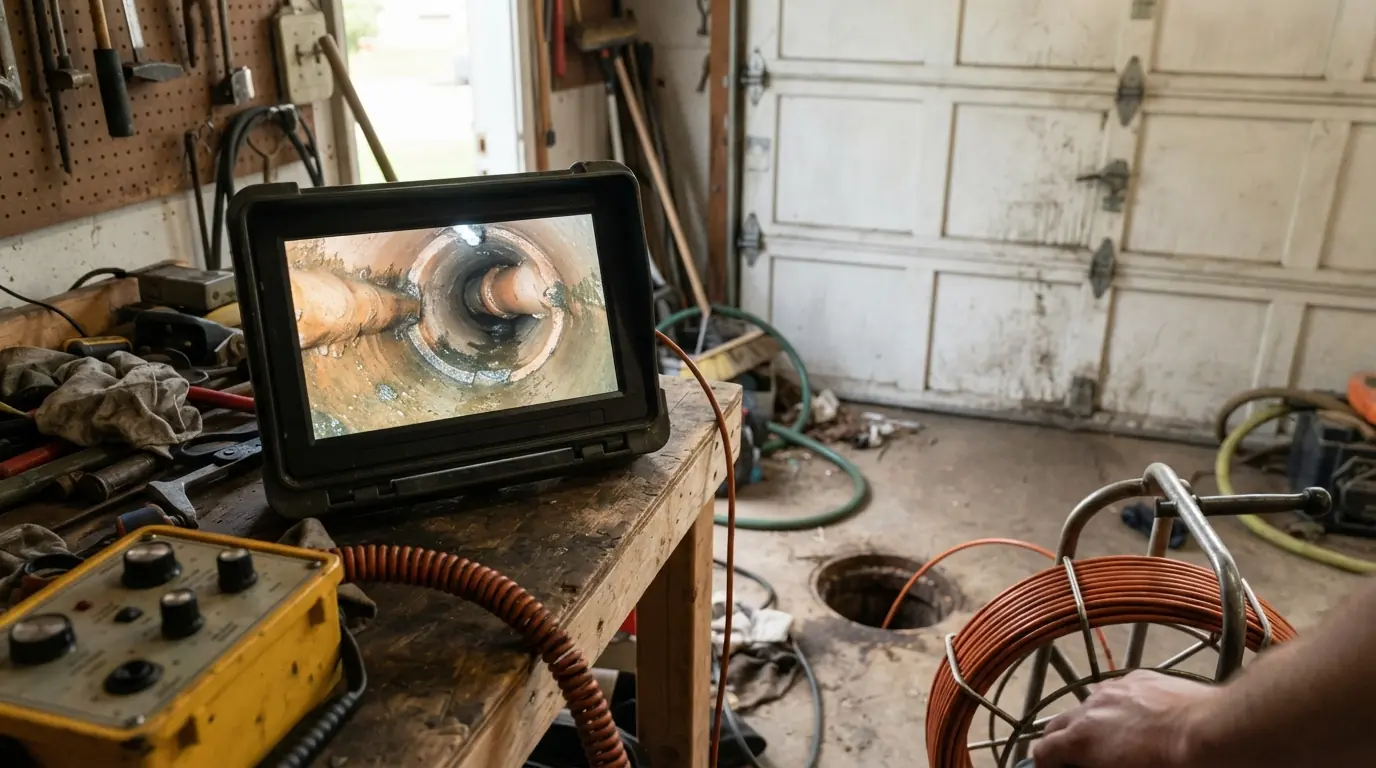
A drain cable can tell you a line is blocked. It cannot tell you why. The camera shows whether a backup came from roots at one joint, a sag holding water, a crushed section, grease, or something flushed that should not have been. That is the difference between paying for the same clearing every few months and fixing the cause once.
Footage also settles the question that matters most in San Jose: whether the problem is on your side of the property line or the city's. Where the camera finds damage, the next step is a repair of the failed section or, when the whole run is failing, a new sewer lateral.
What is included
What the inspection includes
- Access through the nearest cleanout
- Camera run from the house toward the main
- Recorded video of the full run
- Distance noted for each defect
- Sonde locate and ground marking
- Depth reading at each problem point
- Property-line position noted
- Plain-language written summary
- Options for repair or maintenance
Local context
What cameras find in Almaden Valley and Evergreen
In Almaden Valley, homes built from the 1960s through the 1990s drain through cast iron and early PVC laterals, and deep-rooted landscaping on the larger lots damages them over time. Evergreen's hillside developments from the 1980s and 2000s show early PVC joint failures on top of slope and grading challenges. A camera run in either area tends to find damage at joints rather than along the pipe body, which is exactly what a locate is for.
Pre-purchase sewer lateral inspection
A standard home inspection looks at the plumbing you can see; the lateral is underground and usually untested. For a buyer, a camera inspection before the contingency period ends turns an unknown into a number. We record the line from the house to the property line and as far toward the main as it allows, then describe what we saw in plain terms: clean, needs maintenance, needs a spot repair or needs replacement. You get the footage and a written summary to take into negotiations.
Post-cleaning verification
Clearing a line and inspecting it are different jobs. After a line is cleared, especially after roots are cut, running the camera confirms the pipe is actually open to full diameter and shows what caused the stoppage. Without that pass, all you know is that water is moving today. We camera after every main line clearing we do, and we can inspect a line another company has cleared if you want a second look before paying for a repair they recommended.
Locating a break
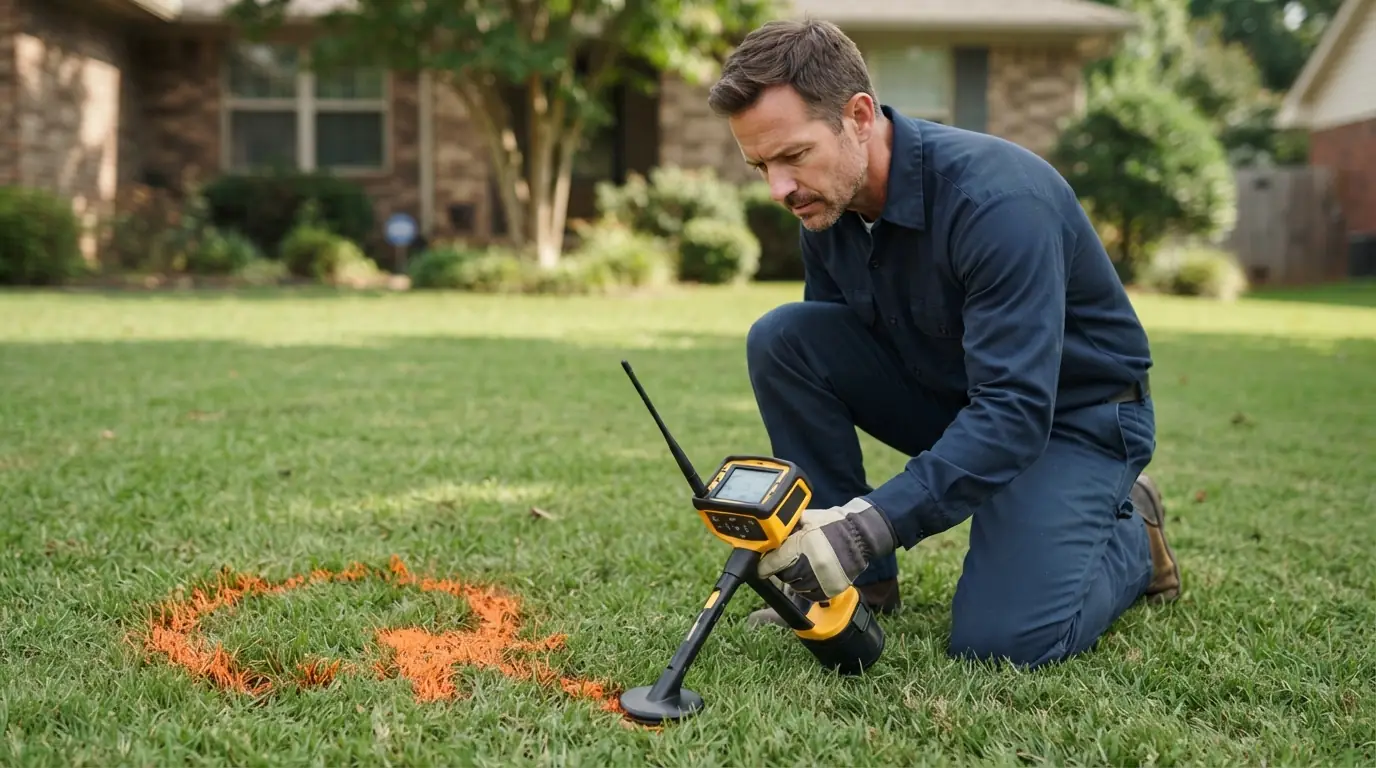
The camera head carries a small transmitter called a sonde. When the camera stops at a problem, a handheld locator above ground finds the sonde and reads its position and approximate depth, and we mark the spot with paint or a flag. That mark is what lets a trenchless repair or a spot excavation be priced accurately, and it keeps a crew from breaking up a driveway to find a break that was sitting under the lawn all along, a few feet to one side.
Recurring backup diagnosis
When a house backs up every few months, the camera usually finds one of four causes: roots at the same joints, a belly where waste settles, an offset joint that catches paper, or grease narrowing a kitchen branch. Each has a different fix, and only one of them is solved by more cable clearing. We show you the footage, name the cause in plain words, and walk through the realistic options from maintenance hydro jetting to repair, with the reasons for each.
What happens after you call
How an inspection visit runs
- 1
Book a window
Buyers usually schedule inside the inspection period.
- 2
Open the cleanout
Or a vent or toilet if there is no cleanout.
- 3
Run the camera
House to property line, and toward the main.
- 4
Locate defects
Each problem marked on the ground with depth.
- 5
Watch it together
You see the footage with the plumber.
- 6
Written summary
Clean, maintain, repair or replace, with reasons.
Cost factors
What changes the price of a camera inspection
Planning range, not a quote: $150 to $550 every 18 to 24 months. Source: plumbingpriceguide.com, 2026-05-26.
- Access A clean ground-level cleanout is fastest.
- Line length Long runs to a street main take more setup.
- Blockage first A line full of water or roots must be cleared before the camera can see.
- Locating Marking defects on the ground adds time.
- Report Footage plus a written summary for buyers or insurers.
Every job is priced after we see it; any published range is for planning only.
Ready when you are
Buying a home in San Jose?
Book the sewer camera inside your inspection period. Call any hour.
FAQ
Sewer camera questions from buyers and owners
For an older San Jose home, yes. The lateral is underground and outside a general inspection.
Usually, through a roof vent or by pulling a toilet, though a cleanout is faster.
Yes. You receive the footage and a written summary.
From the house to the property line and, where possible, to the city main.
We document it with footage and a locate so you can report it to the city.
Yes, and it is a sensible check before paying for a recommended repair.
When buying, after a backup, and on a schedule only if the last camera showed roots.
Related work
Other Drains & Sewer jobs we handle
Guide: Sewer lateral replacement cost.
Book a sewer camera inspection in San Jose
Call any hour to schedule, and watch the footage with the plumber on site.
Updated September 2026