San Jose, CA · Answering 24/7
Tank water heater installation in San Jose for gas, electric and power-vent units
Replacing like for like is the simple version. A new tank installation also covers sizing for the household, the right venting for gas or power-vent units, and the code items the city inspector checks before signing off.
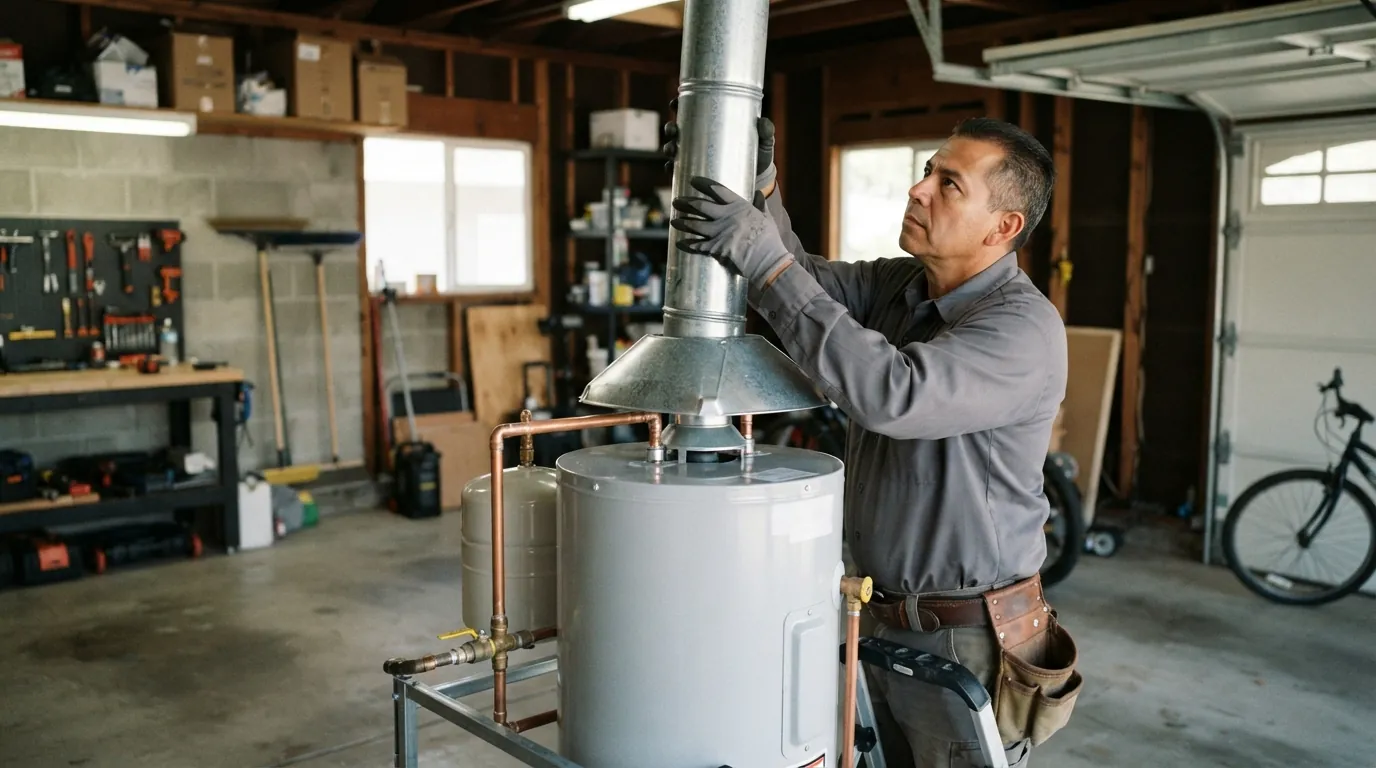
Tank water heater installation in San Jose means choosing the fuel, tank size and venting, then setting the heater with seismic straps, an expansion tank where code requires, and a city permit, which runs around $150 for a replacement. Most households size between 40 and 50 gallons.
The job
Installation versus a straight swap
A replacement puts the same kind of heater where the old one stood. An installation is the broader job: a new location, a different fuel, a bigger tank, a power-vent unit where there is no chimney, or a first heater for an ADU. Each changes the gas, venting or electrical work, so we plan it on site.
A failing heater that only needs swapping is covered on our water heater replacement page. If you are weighing a different technology, see tankless water heater installation.
Cost factors
What changes the price of a tank install
Planning range, not a quote: $800 to $2,500 installed (national). Source: plumbingpriceguide.com, 2026.
- Fuel and size Larger tanks and power-vent units cost more.
- Venting New connectors or a power-vent route add work.
- Location A new spot needs new gas, water and drain.
- Code items Straps, expansion tank, pan and discharge line.
- Permit Around $150 for a replacement in San Jose.
Every job is priced after we see it; any published range is for planning only.
Gas tank heater
Gas tanks remain the most common choice in San Jose garages: quick recovery, familiar upkeep and a direct fit with existing venting. The install covers the gas connector, sediment trap and shutoff valve, a properly sloped flue connected to the existing vent, combustion air, seismic straps, and the relief valve discharge line run to an approved location. Where the old vent connector is damaged or undersized for the new unit, we replace it and check the draft before we leave.
Electric tank heater
Electric tanks suit homes without gas, or locations where venting is impossible. They need a dedicated 240V circuit sized for the elements, and recovery is slower than gas, so tank size matters more. We confirm the breaker and wire size match the new unit's rating before connecting, since a mismatch is a common cause of tripped breakers and burned terminals. Electric units skip the flue entirely, which makes closets easier. If the panel cannot take the load, you hear it before install day.
Power-vent units
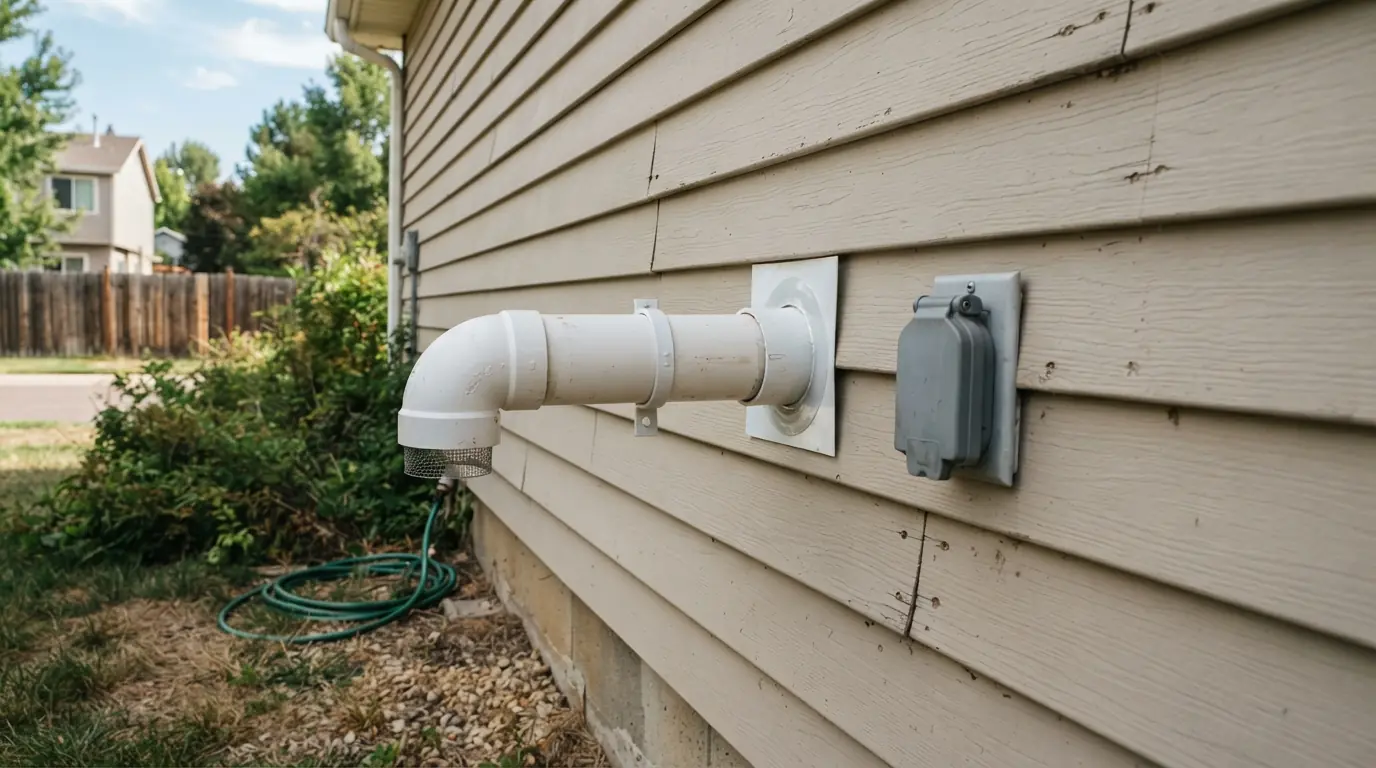
A power-vent heater uses a fan to push exhaust out through a side wall in plastic pipe, so it can go where there is no chimney or where a natural-draft flue cannot be run. It needs a 120V outlet and a vent route inside the maker's length and clearance limits. The trade-offs are a higher price and a fan you can hear. Power-vent models are also the usual answer when a heater moves from a closet with a chimney to a garage without one.
Garage and closet installs
Garage installs have to keep the burner away from floor-level fuel vapors, either by raising the heater or by using a unit rated for floor installation, and they need protection from vehicle impact. Closet installs need enough combustion air, louvers or a sealed door as required, and a drain pan where a leak would reach finished space. Both get seismic straps anchored into studs, not drywall. We also run the relief valve discharge somewhere visible, because a hidden discharge hides a failing valve.
What is included
What a tank installation includes
- Sizing to household use
- Fuel and venting plan
- City permit pulled
- Seismic straps into studs
- Expansion tank where required
- Gas shutoff and sediment trap
- Relief valve discharge line
- Drain pan where required
- Old heater hauled away
What happens after you call
How a tank installation runs
- 1
Site visit
Fuel, size, venting and location.
- 2
Quote
Unit and work in writing.
- 3
Permit
Pulled before install day.
- 4
Install
Set, strapped, connected and vented.
- 5
Start up
Lit or powered, tested, temperature set.
- 6
Inspection
Booked; old unit hauled away.
Local context
The San Jose permit on a new water heater
A San Jose permit for replacing a water heater costs around $150, and inspectors here check that the new heater is strapped to the structure and fitted with an expansion tank where the system calls for one. Both are built into our installs from the start. We book the inspection with the job, so the permit gets closed instead of sitting open on your address when you come to sell or refinance.
Brands we service and install
FAQ
Water heater installation questions
Most households use 40 to 50 gallons; larger families may need more.
Gas recovers faster; electric suits homes without gas or venting.
Yes. San Jose requires one for water heater work.
It absorbs heated water's expansion, protecting the relief valve.
Yes, with new gas, water, venting and drain as needed.
Rheem, Bradford White, A. O. Smith and other major lines.
Yes, as part of the installation.
Related work
Other Water Heaters jobs we handle
Plan a water heater install in San Jose
Call any hour to book a site visit.
Updated September 2026