San Jose, CA · Answering 24/7
Gas line capping in San Jose when an appliance goes electric
A new induction range, a heat pump water heater, an electric dryer: when a gas appliance leaves, the line that fed it stays behind. Capping it the right way, at the right spot, and testing the system afterward is the part people forget.
Gas line capping in San Jose means closing off the branch that fed an appliance you have removed or replaced with an electric one. We shut the gas, remove the connector and valve, cap the pipe with a rated fitting as close to the main run as practical, then pressure-test the system before the remaining appliances are relit.
The job
Why an abandoned gas line needs more than a valve
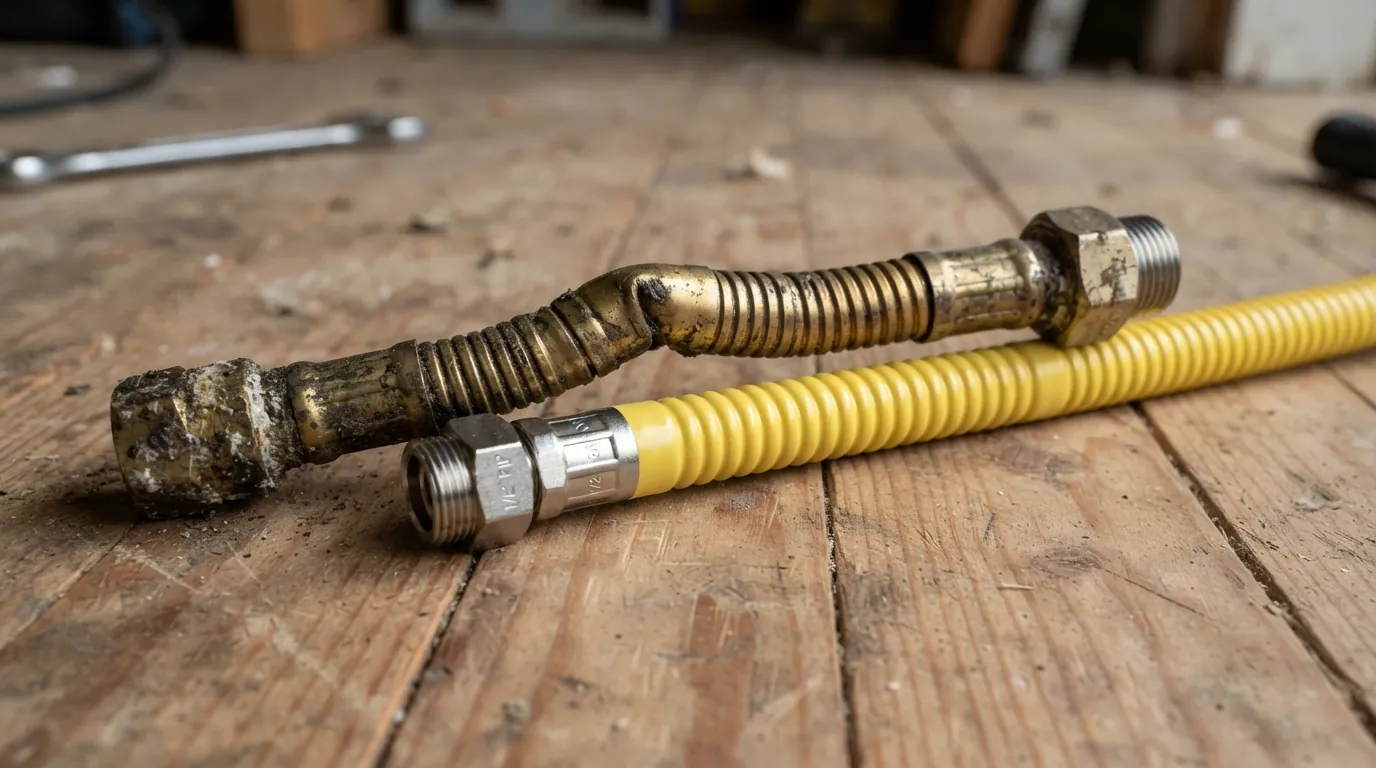
An appliance shutoff valve is not a cap. Valves get bumped, handles get turned by someone looking for the water, and an open valve with no appliance attached is a direct gas leak into the room. When an appliance comes out for good, the branch that served it should be capped with a rated plug or cap, not left on a closed valve and an empty connector.
Where the cap goes matters too. Where the piping allows, we cut the branch back toward the main run and cap it there. If the house is going all-electric, the whole system can be retired back to the meter, and the utility handles the meter itself. For new gas runs instead, see gas line installation.
Cost factors
What decides the cost of capping a gas line
Planning range, not a quote: $140 to $220 per hour for plumbers in Santa Clara County. Source: proplumbersanjose.com, 2026-07-26.
- How many branches One appliance is quick; a whole-house retirement is a bigger job.
- Where the cap goes Cutting back inside a wall or crawl space takes longer.
- Permit and inspection Some jobs need one; we tell you before starting.
- Relighting Appliances that stay on gas are relit and checked.
- Coordination Timing with the electrician for the new appliance.
Every job is priced after we see it; any published range is for planning only.
Gas range to induction
Kitchens are the most common capping job. The old range connector and shutoff are removed, the stub coming through the floor or wall is cut back and capped, and the opening is sealed so the cabinet or wall can be finished. If the new induction range needs a 240-volt circuit, that is electrical work, so the timing is coordinated with the electrician so the kitchen is only out of service once. Before the stub is capped, we check whether that branch also feeds anything else, such as a gas oven on a separate connector, so nothing downstream loses supply by surprise.
Gas water heater to heat pump
When a gas water heater is replaced with a heat pump model, the gas branch to it, the flue and sometimes a combustion-air opening all become unnecessary. We cap the gas branch, remove the old flue connector and leave the vent opening for a sheet-metal or roofing contractor to close properly. The new heater itself is covered on our heat pump water heater installation page. If the old water heater was the last gas appliance on its branch, the branch is cut back to where it leaves the main run, so no dead-end pipe is left behind the new tank, and the system is tested before anything else is relit.
Gas dryer to electric
Dryer connectors live behind a machine that gets pushed and pulled, which makes an uncapped dryer stub one of the riskier leftovers in a laundry room. When the dryer goes electric, the connector comes off, the valve comes out and the stub is capped. If the laundry is also moving, the line can be cut back to where it branches off instead. An electric dryer also needs a 240-volt outlet, so we let you know early if the laundry needs an electrician before the new machine arrives, and the cap goes on the same visit the old dryer comes out.
Abandoned line to a removed appliance
Old houses collect dead gas lines: a wall heater removed decades ago, a pool heater that is long gone, a line to a garage that no longer has an appliance. If a leak search turns one up, or a remodel opens the wall, we trace it back, cap it where it branches, and test the system. Fewer joints under pressure means fewer places for a leak to start. Each cap is marked on a simple sketch of the gas piping we leave with you, so the next contractor knows which lines are live and which are retired.
What happens after you call
From a gas appliance to a capped, tested line
- 1
Call us
Tell dispatch which appliance is going and what replaces it.
- 2
Shut the gas
At the appliance branch or the meter, depending on the job.
- 3
Remove the connector
Old connector and valve come out.
- 4
Cap the branch
Rated cap or plug, as close to the main run as practical.
- 5
Pressure-test
The system is tested before gas returns.
- 6
Relight and check
Remaining appliances relit and burners checked.
Local context
The 2027 rule and the lines it leaves behind
Under Bay Area air district rules adopted in 2023, from January 1, 2027 new storage water heaters under 75,000 BTU sold or installed in the Bay Area must be zero-NOx, which in practice means electric models such as heat pumps, with furnaces following in 2029. Existing gas appliances can stay in use until they need replacing, but every one that is swapped for an electric model leaves a gas branch that should be capped properly.
Timing
How long capping takes
Capping a single appliance branch usually takes an hour or two, including the pressure test and relighting the appliances that stay on gas. Cutting a branch back inside a wall, or retiring several lines when a house goes all-electric, takes longer and may need a permit and inspection. We tell you which it is before starting.
Warning signs
Signs a gas line was left unsafely
- Valve with nothing attached
An open handle would release gas straight into the room.
- Taped or plugged connector
Tape and plastic plugs are not gas fittings.
- Gas smell near an old appliance spot
A loose fitting on a dead-end branch.
- Connector coiled behind a cabinet
Still pressurized even though nothing uses it.
- Old flue left open
Combustion openings stay after a heater goes electric.
FAQ
Gas capping questions, answered plainly
No. A closed valve is not a cap, and valves get turned by accident.
Some jobs need one, especially work inside walls; we tell you first.
No. The meter belongs to the utility; you request removal from them.
We install heat pump water heaters; ranges are set by the appliance installer or electrician.
No. The rule covers new sales and installs; existing appliances can stay until they need replacing.
Related work
Other Pipes, Water & Gas jobs we handle
Guide: The 2027 water heater rule.
Gas line capping in San Jose, done properly
Call any hour; tell us which appliance is going electric.
Updated September 2026